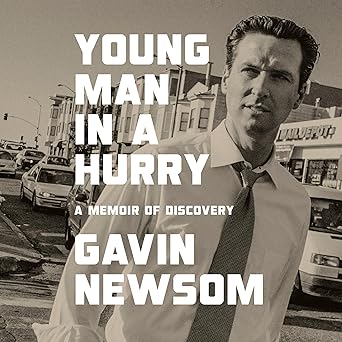
Young Man in a Hurry: A Memoir of Discovery; Gavin Newsom
I am writing this review while golfing in California and enjoying the sunshine. Yesterday, my Republican golf buddy, sitting next to me in the golf cart, said, “This state has a governor who is famous only because of his looks.” My MAGA-adjacent friend is still open to a civil conversation about politics, up to a point. I suggested he read Young Man in a Hurry by Gavin Newsom before he assumes the Fox News version of the author is even remotely accurate.
I would loan him the book, but my friend is not a reader. The irony is that, like my friend, Newsom was not much of a reader as a young man because he is dyslexic, a condition I am familiar with. Newsom has a serious version of the disorder, and it shaped much of his early life. A few days ago, Donald Trump said Newsom should not become president because of his dyslexia. Trump is projecting more than just a phobia of people with disabilities.
I have read other memoirs by politicians who are more guarded than Newsom about their past, struggles, and even failures. He must have understood that his opponents would seize upon select sentences for their own political purposes. Yet, he does not shy away from being transparent with his readers.
There are some insights and quotes in Young Man that are too good not to share:
In explaining how to cope with his condition, Newsom says, “This is how I discovered one of the secret powers of dyslexia. I could read a room with the best of them.”
Newsom was appointed to the San Francisco Board of Supervisors by Willie Brown, the city’s first black mayor. In announcing the appointment, Mayor Brown called the Irishman his “affirmative action pick.”
In addressing the homeless issue as the new mayor in San Francisco, Newsom explained that, “No liberal bias was required to put forward the case that the one man most responsible for the rise of homelessness in America was California’s own sunny Ronald Reagan.” He went on to explain that among his first acts as president, Reagan had “gutted” Jimmy Carter’s Mental Health Systems Act, which removed $800 million earmarked for California.
Not to be missed in the final chapter is Newsom’s detailed description of his first meeting with President Trump when Newsom was Lieutenant Governor and Jerry Brown was Governor.
Buckeye is proof that a depressing novel can still be well written. I read misleading reviews: “Captivating,” “A once-in-a-decade-novel,” and downloaded the Audible version because I was between assignments. A more honest review states that the book is an LGBTQ-adjacent historical novel because it focuses on themes of sexuality, repression, and hidden identity. The author, Patrick Ryan, seems to make the point that gay men in the pre-WWII era had to hide who they were.
The other aspect of this work is the theme of spiritualism, seances, communication with the dead, and psychic events. It added very little to the book, and I found it a distraction. Interestingly, the psychic character (Becky) was an appealing person who did not charge for conducting seances in her home. I guess the point is that she may have been a lost soul, fooling herself and her clients, but she was not cheating them financially.
For some readers, Theo of Golden will be about portraits on the walls of a coffeehouse in a fictional town in rural Georgia. I received the book as a testament to faith, giving, and the power of love. It is also about the unrequited love of a man, Theo, who let fame and striving drown a relationship that he never appreciated until it was too late. By the time Theo arrives in Golden, the woman he loved has passed, but her son, their child, is an accomplished local portrait artist.
Golden is all the things you would expect in a Hallmark-style town with a bookstore, coffee shop, art, music, gardens, birds, river, churches, walking trails, and fine dining. There is even a fountain at city-center. Everything is perfect, except the people. Theo is the protagonist, but I believe Tony is the more interesting character, a combat veteran, agnostic, skeptic, and bookstore owner who complains his shop is perpetually one week away from closing. His story and journey are inspiring. I’m glad my book club leader encouraged me to read Allen Levi’s book.
The Coffeehouse Investor’s Ground Rules, Bill Schultheis
The Coffeehouse Investor’s Ground Rules is an update and reflection on Bill Schultheis’s first book, The Coffeehouse Investor, which I read over twenty years ago, unaware that the author was living in Skagit County when he wrote the book. At the time, I was in an investment club and an active investor, doing all the right things by Wall Street standards to be financially successful. After reading Bill’s book, I realized I was headed in the wrong direction.
Bill was an early advocate for “buying the market” through index mutual funds. It simply changed my investment life. I became a subscriber to Bill’s newsletter and forwarded it to friends and family over the next twenty years. Ground Rules expands upon the indexing investment philosophy and gives readers a look back at how it has worked out financially for investors who refuse to watch CNBC daily. I recommend reading The Coffeehouse Investor (1998) or The New Coffeehouse Investor (2009) before Ground Rules (2020) to get a fuller understanding of the passive investing strategy.
Somebody’s Fool is the latest in Richard Russo’s North Bath Trilogy, and it is also the best. The first two are Nobody’s Fool (2011) and Everybody’s Fool (2016). You don’t need to read the first two before Somebody’s Fool, but reading them will give you a firm footing on the returning characters and the bigger plot. The unidentified, decomposing body of a suicide is found in an abandoned hotel. We don’t see the connection between the annexation of North Bath and the decomposed body until the last chapter.
You will learn about Donald “Sully” Sullivan’s son and grandsons, who connect with the very barstool named after Sully in his favorite watering hole. Doug Raymer, the town’s chief of police, returns after a disastrous campaign for reelection on the platform of “We are not happy until you are not happy.” Hired as a consultant by the new chief, Charice Bond, Raymer is called upon to identify the suicide. Did I forget to mention that the suicide had a Blackberry Phone? Only a fool would forget to mention that Rub Squeers survives the annexation of his town and loses his trademark stutter. You will love this book.
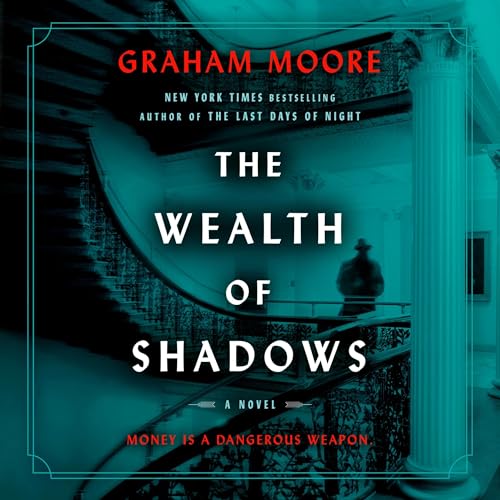
The Wealth of Shadows is a work of historical fiction about World War II and the hidden economic war against the Nazis. The author, Graham Moore, brings to life the drama going on in the FDR administration during a time when most Americans wanted nothing to do with the Nazi invasion of Europe. Within the Department of the Treasury was a group of people, including economists, who saw a way to defeat Hitler without a military victory.
It is a fascinating and well-written story about a young couple in Minneapolis who were frightened by the rise of Nazi sympathies in 1939 and wanted to join others who opposed Hitler and his domestic supporters. They end up in Washington, D.C., working for the federal government and find ways to influence policy. The book concludes with the Bretton Woods Conference, the establishment of the International Monetary Fund, and the creation of the World Bank. The real heroes are the economists. I highly recommend Wealth, which is the second book I’ve read by the author. The first was a Book Club selection in 2020, The Last Days of Night, also a great read.
The invaluable Author’s Notes at the end of the book include this advisory, “This book is a work of fiction, spread out on a canvas of reality.” That reality is not pretty because it involves Nazis in our own country, antisemitism, the Holocaust, war, and duplicity.
The historical fiction story of Nancy Wake, a World War 2 spy for the British, by Ariel Lawhon. Wake started as a journalist with the Hearst newspapers in Paris, married a Frenchman before the war, then escaped after the Nazi’s invaded France. She parachuted back into France as a British SOE operative, code name Helene, but the Gestapo called her The White Mouse, and the Allies heavily decorated her after the war for her extraordinary service.
This captivating and essential story is carefully crafted by the author, who uses both first-person and third-person narratives in alternating chapters. The character development is very well done, although the gay Hungarian radio operator who insisted on calling Nancy “ducky” became a distraction. Some characters are beyond contemptible and mostly get what they deserve, except Henri Fiocca’s father, who is despicable and remains unpunished.
Several years ago, a new attendee at my church brought to our attention that the chancel platform in the sanctuary was “missing” an American flag. I was not in a leadership position at the time, but I did hear from the man who, on several Sundays, was not shy about sharing his views on the matter. He seemed to believe our church had overlooked an obvious flaw that he was going to remedy. To that end, he donated a flagstand and pole.
When he engaged me on the matter, I suggested that the church is not an American institution and cannot be limited by placing a national flag in the center of worship. The man’s efforts failed, which I believe was a credit to our church. Reading Jesus and John Wayne helps me understand, in retrospect, what the flag-obsessed man was trying to achieve and what drove his passion to reform our church. He was introducing an early version of Christian Nationalism to an otherwise healthy church.
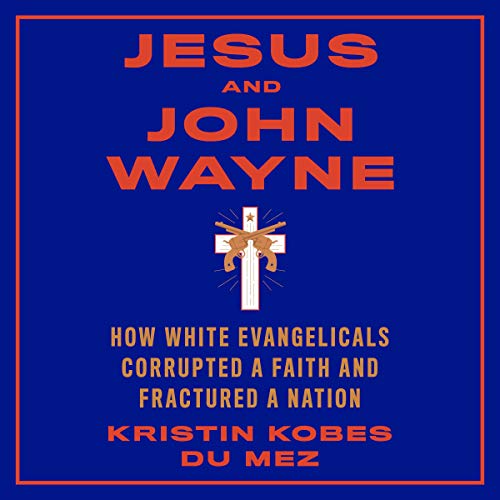
Jesus and John Wayne: How White Evangelicals Corrupted a Faith and Fractured a Nation was a hard book to read and even angered me at times. It explains in historic detail how white American evangelism has failed and fractured our country. If just the mention of those terms in the last sentence bothers you, read the book!
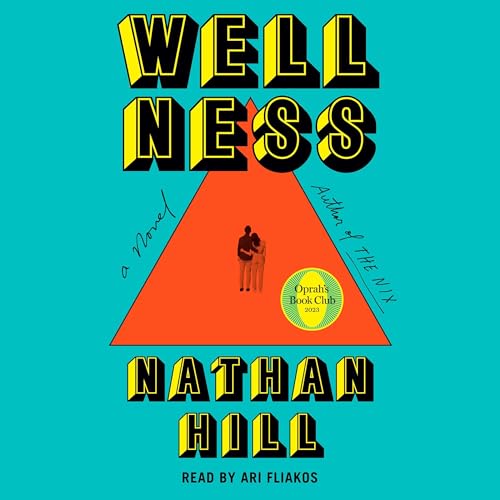
Nathan Hill’s Wellness: A Novel is another NYT Bestseller and NPR Best Book of the Year. It is about a modern couple in urban America who struggle to understand each other and cannot escape their own dysfunctional childhoods. The husband is also challenged by a MAGA-like father, in his dotage, who has discovered the dark side of internet conspiracies and acts upon them. The wife is involved in the unregulated side of the wellness industry and is financially rewarded, but it eats at her soul. It was an enjoyable read on Audible.
2024 Books
Thursday Murder Club is a series of well-written books by Richard Osman, a British author, producer, and television presenter. We listened to the entire series, though not all, in the first quarter of 2024 and present from left to right in the series order. You cannot trust any of the senior residents living at Coopers Chase Retirement Village, where these four pensioners meet on Thursdays in the Jigsaw Room to investigate unsolved local murders that the local police have let grow cold. Despite the serious nature of the crimes, you will find yourself laughing as Club members find critical clues and make the police look incompetent.
Nathan Hill’s Wellness: A Novel is another NYT Bestseller and NPR Best Book of the Year. It is about a modern couple in urban America who struggle with misunderstanding each other and cannot leave their own dysfunctional childhoods. The husband is also challenged by a MAGA-like father, in his dotage, who has discovered the dark side of internet conspiracies and acts upon them. The wife is involved in the unregulated side of the wellness industry and is financially rewarded, but it eats at her soul. It was an enjoyable read on Audible.
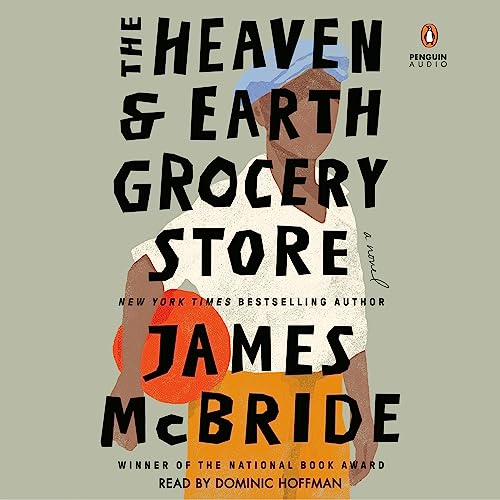
You need to read or listen carefully to the first chapter of James McBride’s well-crafted novel The Heaven & Earth Grocery Store because it becomes essential late in the story. The setting is a grocery store in a black and Jewish neighborhood in Pottstown, Pennsylvania, called Chicken Hill. It is an award-winning, compelling story of community, family, love, and some violence worth reading.
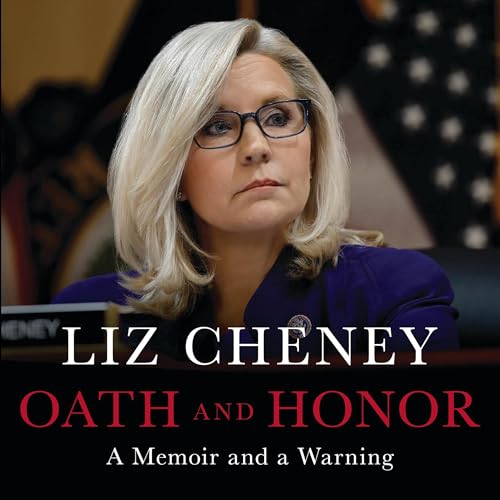
Oath and Honor: A Memoir and a Warning was written by Liz Cheney, a politician I disliked until the Congressional Select Committee investigation of the January 2021 insurrection. I disliked her father even more. I was wrong on both counts. The book and the story are compelling, and I stand in awe of the courage and integrity of Liz Cheney for her commitment to the U.S. Constitution and truth. She reinforces my pride in being a lawyer.
Great Expectations by Charles Dickens finally reached the top of my reading list in 2024. It is a classic, and I’ll not spend much time telling you it should be on your list. This book is not the reason Dickens is one of the great English language authors of novels that have stood the test of time, but it is also a classic Dickens that offers characters you cannot get anywhere else.
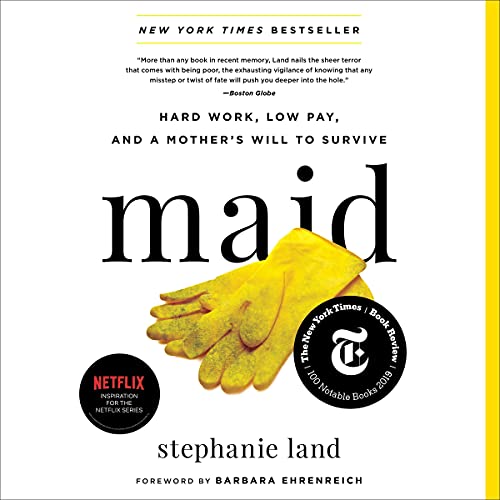
Disclosure: We knew the author when she was a child living in Skagit County with her family. Her first book, Maid: Hard Work, Low Pay, and a Mother’s Will to Survive, has been the subject of discussion locally, as anyone who has read it will understand. Her family attended our church in the early 1980s until they moved to Alaska. My wife, Debbie, is identified in the book as the RN who recalled Stephanie and was kind to her at a medical clinic. It was challenging to read her (unsigned hardback) book, knowing the family and not knowing the hardship Stephanie was experiencing in the years she lived in and around Skagit County. I believe her book is highly acclaimed because she conveys raw emotions about a difficult life where no good deed goes unpunished.
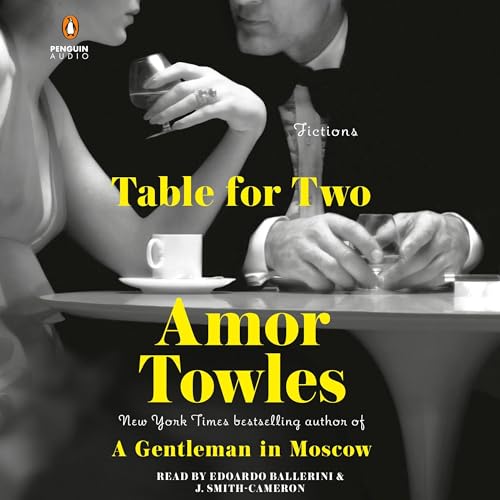
Amor Towles has become one of my favorite contemporary authors, so I was delighted when Table for Two was selected for the Skagit Valley Book Club. Towles has assembled a collection of short fiction stories and a novella. Table for Two is fine work but not comparable to A Gentleman in Moscow or Lincoln Highway. That being said, Evelyn Ross, in the novella, is a character not to be forgotten.
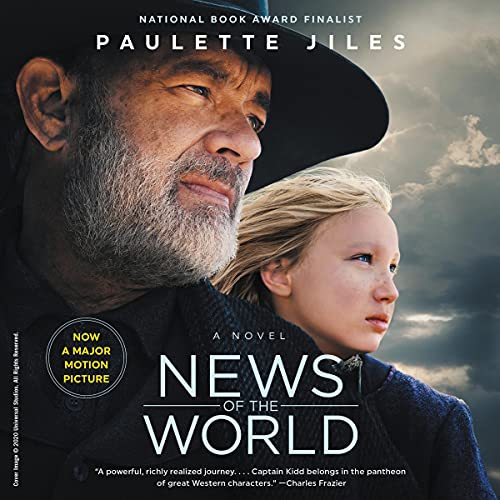
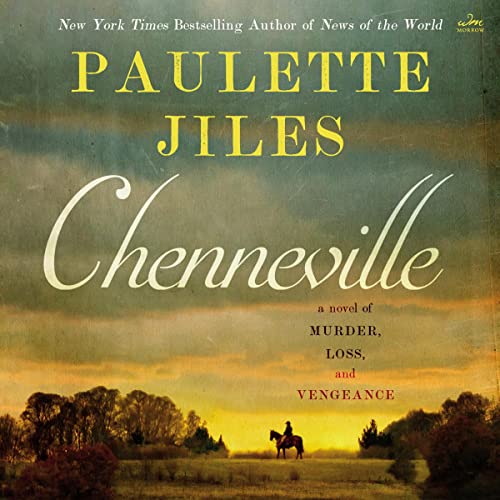
News of the World by Paulette Jiles is a book title that has almost no relationship to the theme or plot. That is not true of Chenneville: A Novel of Murder, Loss, and Vengeance by the same author. As you can see from the cover, News of the World was made into a movie because it is a compelling story of hardship, creating character and integrity. Chenneville is about a Union soldier, John Chenneville, coming home to the senseless slaughter of his sister and her family and the struggles he goes through to find their killer. You will find yourself rooting for John to get revenge and justice for his family.
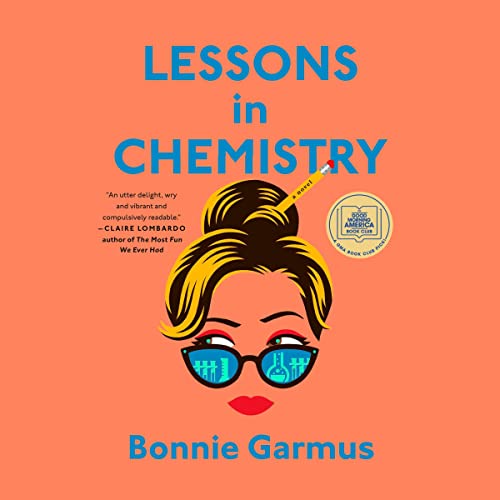
Lessons in Chemistry is more about challenging the status quo than how to combine chemicals safely. This NYT Book of the Year by Bonnie Garmus is about stupid white men trying to control an intelligent woman, Elizabeth Zott, who refuses to accept the 1960s convention. The book was made into an Apple TV+ series I watched before reading. Subsequently, it became a Book Club selection, and I worried that it might not match the quality of the television series. It was worse than I could have imagined.
Men are retarded brutes who live on prejudices and lower base instincts, and women are primarily virtuous and put up with men to save the family. There is the lying bishop at the boy’s home who thinks only of money, the pastor who does not believe in God, the TV station manager who has to be the worst boss ever created in literature and would make Archie Bunker blush, the UCLA dean who raped Elizabeth and got her expelled from school, and her father who is in prison for being an evangelical fraud and murderer and drove his son to suicide. Don’t forget the executive at the lab who is clueless and plagiarizes Elizabeth’s work. The author feeds on stereotypes and prejudice. Still, it was entertaining.
In response to a question about understanding the conflict in Palestine, a friend recommended The Lemon Tree: An Arab, a Jew, and the Heart of the Middle East by Sandy Tolan. Certainly, there are many books on this topic, but Lemon Tree takes a refreshing approach by documenting the histories of two families in Palestine, one Arab and one Jew, centered on a home that belonged to the Arab family before the 1967 Six-Day War. Their story and struggles become a method of understanding the many decades of conflict in Israel. The dialogue between these families brings light to this challenging topic.
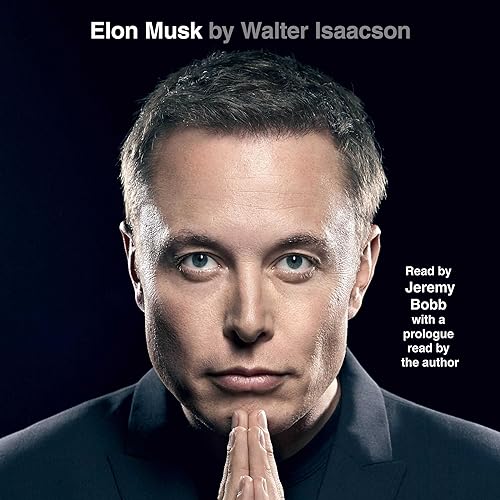
This book was written too early. Now that he is in the news more than ever, Walter Isaacson’s Elon Musk should be updated by the author to fully capture the personality of this controversial character. I read the book mainly because of the author’s work in Steve Jobs, another bestselling biography, and I was not disappointed in Musk. I can say I’m disappointed in Mr. Musk (full disclosure: I drive a Tesla) since he purchased Twitter in 2022. Nevertheless, this book deserves your attention if you want to understand Mr. Musk, and there is every reason you should since he refuses to leave the world stage.
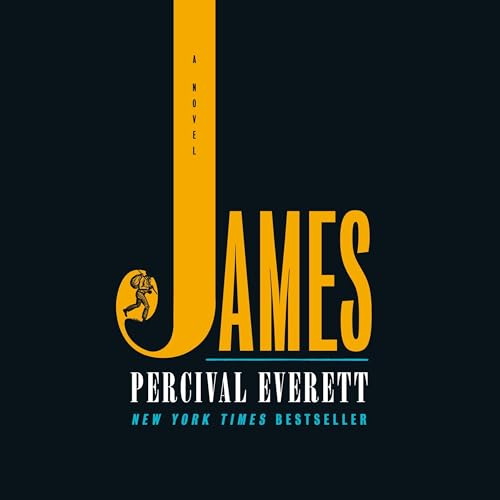
I enjoyed and highly recommend James by Percival Everett. Do yourself a favor and get the Audible version, which Dominic Hoffman narrates. James is the Adventures of Huckleberry Finn through the eyes of Jim, the slave who accompanied Huck on his Mississippi River adventure. Audible says: “Brimming with the electrifying humor and lacerating observations that have made Everett a “literary icon” (Oprah Daily), and one of the most decorated writers of our lifetime, James is destined to be a major publishing event and a cornerstone of twenty-first century American literature.” The review is a little over-the-top, but not by much.
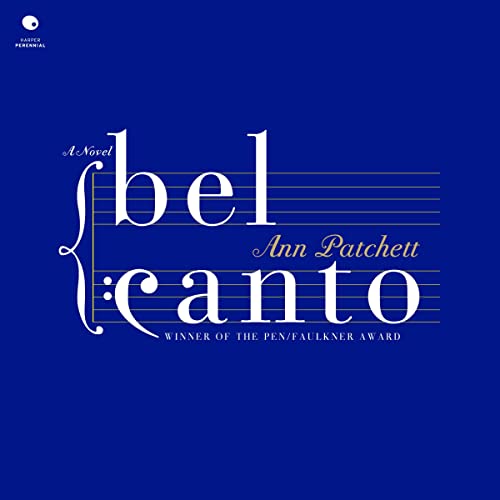
I greatly enjoyed Bel Canto by Ann Patchett, a NYT best-selling book published in 2004. Again, I listened to the Audible version and was delighted with Anna Fields’s narration. I’m not an opera fan, but this book moved me closer to appreciation. Bel Canto means beautiful singing, and you will find beautiful character development in this novel about a botched terrorist kidnapping in an unnamed South American country.
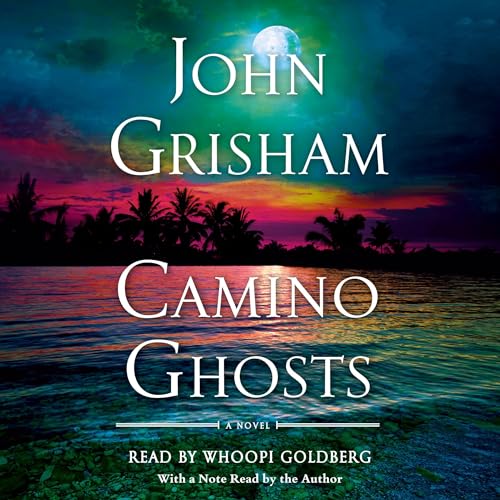
We are fans of John Grisham, and I have read almost everything he has published, including Camino Ghosts. You are in the hands of a master craftsman with this book, which is part of a series about a bookstore on fictional Camino Island. I have more to say about John Grisham’s books here.
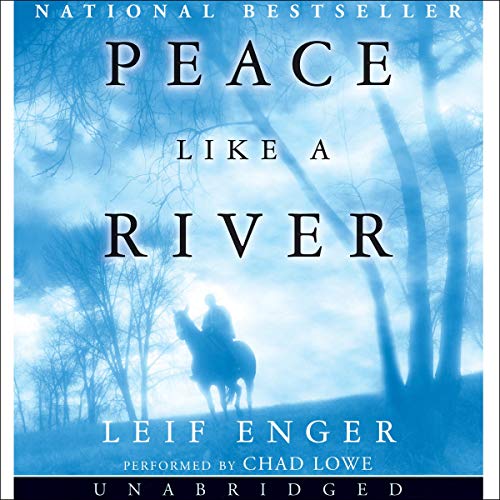
Our September Skagit Valley Book Club selection is Peace Like a River by Leif Enger, and it will be interesting to hear the comments from our Club members. This is a decidedly Christian-influenced novel about a midwestern family in the 1960s who experience miracles and heartbreak. The book follows an unpredictable plotline with characters who touch your soul. Our Book Club includes men of faith and men like I was before coming to a saving knowledge of Jesus. The discussion about Peace Like a River should be engaging.
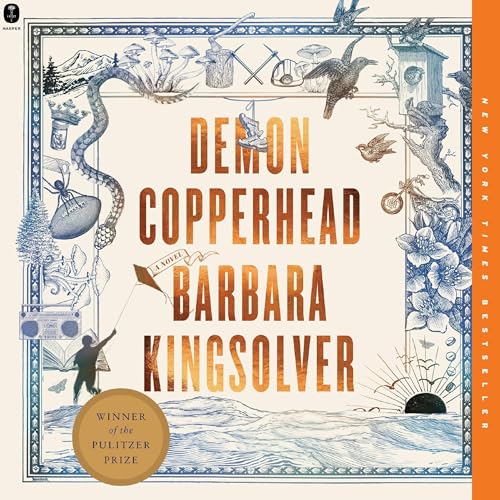
A friend recommended Demon Copperhead by Barbara Kingsolver and said it was over 500 pages (over 21 hours on Audible) and I advised that my book club tries to limit book selections to under 500 pages. Surly, he recognized my comment was more of an excuse than a reason not to read the book. Toward the last chapters, I did not want the book to end. This Pulitzer Prize winner is filled with humor, heartbreak, love and longing, addiction and recovery, structural poverty, and class struggle. There are many characters, and at times, it was hard to keep up, but they are well-rounded and engaging. The plot involves the opioid epidemic in 1990s Appalachia and the destruction that followed as lives were destroyed. It is much more than that and deserves the accolades the book has earned. I knew something about drug addiction from my years as a prosecutor and criminal defense attorney, but the story of Demon Copperhead had much to teach me.
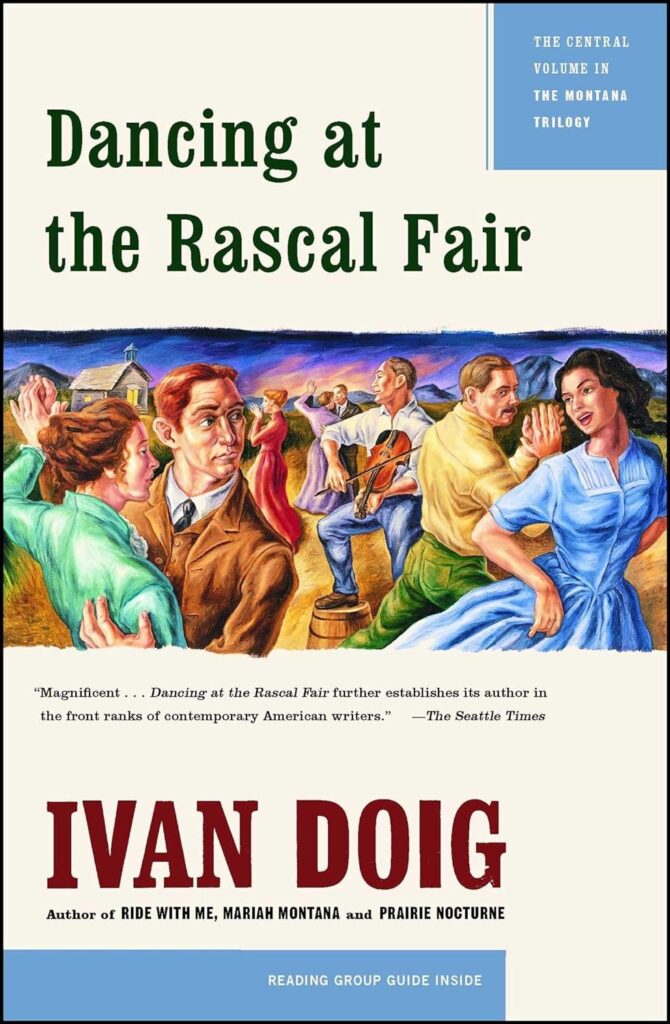
Dancing at the Rascal Fair is the second novel in Ivan Doig’s Montana Trilogy. The first was English Creek, which I read a few years ago and was assigned by my Book Club. The main character in both books is the Two Medicine country in Montana at the turn of the twentieth century, where homesteaders endured harsh conditions that Doig describes in brilliant detail. I was not expecting Dancing to be a romance novel, and I almost abandoned the book at the halfway point. I grew weary of the back-and-forth love life of Angus McCaskill, a young Scottish immigrant to Montana who is better at raising sheep than deciding between two women who come into his life. My persistence was rewarded as Doig painted a picture of struggle, love, family tragedy, and yearning amid the beauty of Big Sky Country in the final and exciting closing chapters. SPOILER ALERT: A boot caught in a stirrup brought an end to life and a new beginning for a long-neglected marriage.
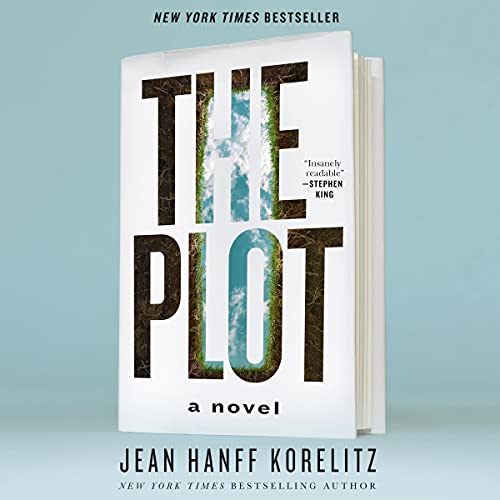
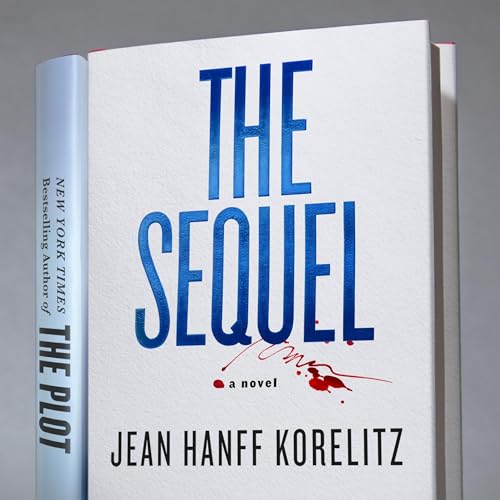
We should start with the rules: You can’t read one without the other, and you must read The Plot first. These two novels by Jean Hanff Korliz are closely related stories about a married couple who are both authors of best-selling novels, with one a plagiarizer and the other a homicidal maniac. Jacob Finch Bonner had an undistinguished writing career followed by spectacular success with a book based on a stolen plot from an author who died before his work was published. The fictional characters in “Crib” are the product of Bonner’s acquired plot, while the real characters in The Plot: A Novel (2021) have different names but similar roles. Bonner marries a woman with a complex background, and everything is going well until things start to unravel. His wife, Anna Williams-Bonner, becomes the grieving widow after Bonner is thought to have committed suicide, and she writes a best-selling novel called “The Afterward” that fictionalizes her husband’s death. Korliz captures that story in The Sequel, published in 2024, which begins where The Plot left off. It turns out that Anna Williams-Bonner specializes in remorseless homicide and cleverly invents rationals for killing parents, a sibling, a daughter, a husband, and strangers when necessary. If that is not enough, she also steals identities. Oh, and the night the lights went out in Georgia is when our protagonist buries her backwoods southern lawyer on top of her daughter’s coffin. You need to both books to learn how that works out.
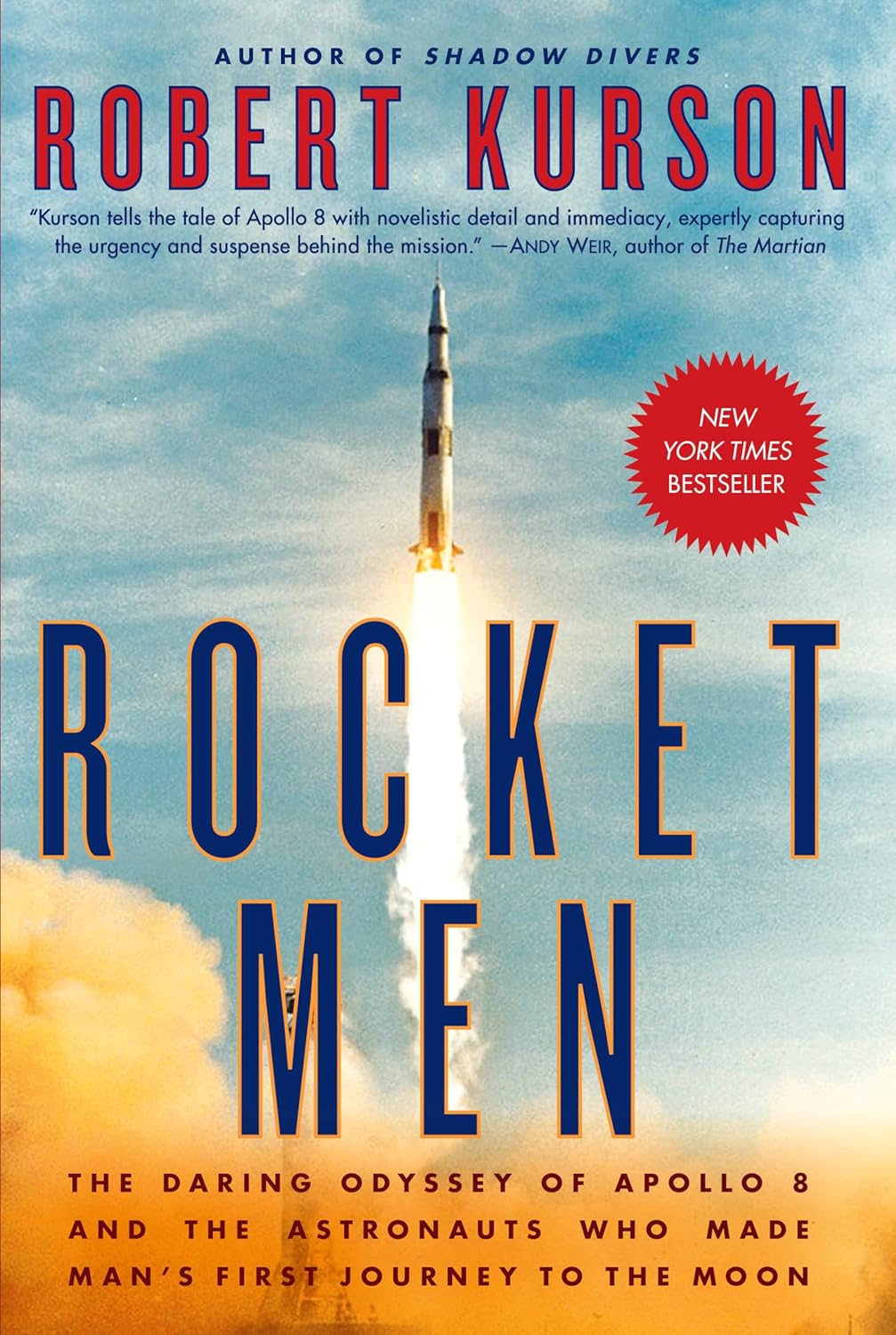
I feel fortunate that Rocket Men by Robert Kurson was assigned reading by my book club. It is a well-written account of the successful 1968 Apollo 8 NASA mission to orbit the moon, which included the three astronauts returning home during Christmas. As you may read in other sections of the Portfolio, I was in a bunker on the Korean DMZ in the winter of 1968 and knew nothing, or almost nothing, of this historic event taking place around the moon above me. Apollo 8 is on a long list of events I missed in 1968, including the assassinations of MLK, Jr. and RFK, riots at the National Democratic Convention in Chicago, the Summer Olympics in Mexico City, and the release of some excellent (now classic) rock music albums. Rocket Men filled in the gaps for me, not only about the Apollo 8 mission but of many other events in the last half of 1968. The book is also an intimate description of the crew, Frank Borman, Jim Lovell, and Bill Anders, how they grew up, joined the military, became astronauts, their families, their Christian faith, and their sacrifices for the NASA mission. The book ends with four words taken from one of thousands of telegrams sent to the returning astronauts, which read: “THANKS. YOU SAVED 1968.” Reading Rocket Man saved and supplemented my 1968 Army experience, for which I am grateful.
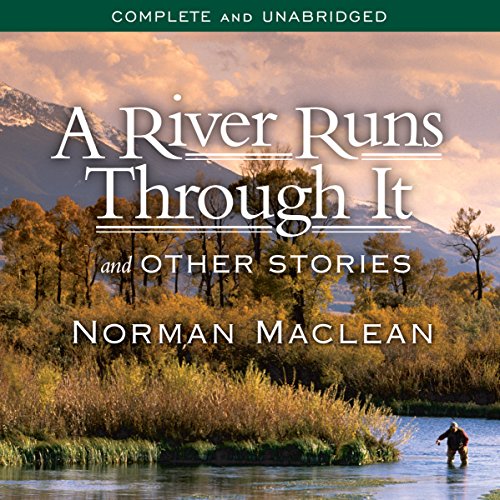
As a practitioner of faith and fly fishing, I found the opening sentence of A River Runs Through It the most compelling. Norman Maclean writes, “In our family, there was no clear line between religion and fly fishing.” The book is more about family and fly fishing than religion. It also becomes clear that rules for life in Montana are like some religious edicts; they remain flexible. Thus, the prohibition on drinking while fly fishing does not include beer drinking. The Scottish Presbyterian Maclean clan tolerates people from other faith traditions but has no respect for bait fishermen and West Coasters. This book is character-driven with enough pathos to make it a compelling read. I enjoyed the many characters, but Old Rawhide has to be the most colorful. The description of Montana geology reminded me of Bretz’s Flood and Maclean’s description of the Megaflood that carved the landscape of Western Montana, Idaho, and Washington. Another successful Skagit Valley Book Club selection.