Jeffery Archer

The life of British author Jeffery Archer is almost as fascinating as his novels. He was a Member of Parliament, involved in scandals, convicted of fraud and perjury (or both) and served time in prison. Despite all that he was appointed a life peer by the Queen as Baron Archer of Weston-super-Mare. See Jeffrey Archer – Wikipedia. I don’t recall the first book I read, but Nothing Ventured of the William Warwick Series is a likely candidate. Most recently I read Traitors Gate (also William Warwick Series) aboard a cruise ship headed west and finished it in three days; a page-turner. I completed The Clifton Chronicles Series a few years past and became an Archer fan.

Archer has written over 40 novels, published in 47 languages and sold over 300 million books and is still writing. His books are known for their fast pace, attention to details and fascinating plots. He incorporates British history into his novels which adds depth to his work without getting the reader lost on an unwelcomed journey.
Traitors Gate; Jeffrey Archer

Calling Traitors Gate a page-turner is an

Traitors Gate was a page-turner experience for me. The book was in the ship library on our cruise to Hawaii from Vancouver, so I had time to read this Jeffery Archer novel, which is from his William Warwick Series. Archer, a former Member of Parliment introducers readers to British history which adds depth to his work. Traiters is a story within a story about the theft of the Crown Jewels in London.
The story is presented as Archer deftly covers the only acutal (ultimately unsucessful) theft of the Crown Jewels in 1671 from the Tower of London by Colonel Thomas Blood.
Of course our protagonist, Inspector William Warwick of Scottland Yards, foils the plans of the master thief and arch antagonist, Miles Faulkner, who is behind the well planned attempt to steal not only the Crown Jewels, but also the reputation of Warwick and Scottland Yard.

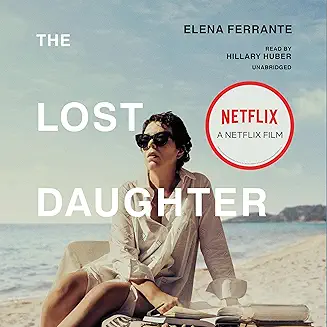
The Lost Daughter; Elena Ferrante

I’m a fan of the pseudonymous author Elena Ferrante, whom I have identified as a Favorite elsewhere in this website. Nevertheless, I must say The Lost Daughter is not among her best works. Maybe I was expecting more after reading the Neapolitan Novels, which set a high standard. This short novel fails to capture the attention and imagination of readers like Ferrante’s other works. The first-person narrator, Leda, is an unappealing, selfish woman.

She is well-educated and has a successful career as an English teacher in Italy. Her own adult daughters live in Canada with their father, but she maintains contact with them by phone. The drama of the story is mostly in Leda’s head as she interacts with a vacationing family on a beach along the Ionian coast near Naples. She becomes obsessed with the family, finds a doll belonging to a daughter, and then inexplicably refuses to return it to the child. Her actions become more complex and cringeworthy. The ending offers no insight or reveals anything we should have seen coming.

Return to Reading List

Fredrik Backman

A native of Sweden, Fredrik Backman’s work, published in 25 languages, has made him a #1 NYT best-selling author. You don’t need to be an ice hockey fan to enjoy his writing, but it might help. I’ve read three of his books, and they are all set in Sweden, but again, you don’t need to know very much about Sweden to enjoy his work. I find the development of characters to be the most powerful aspect of Backman’s writing.

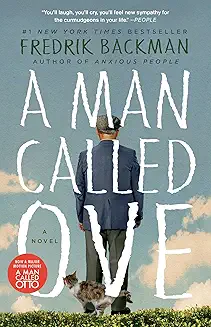
Every chapter is named “A Man Called Ove,” followed by a descriptive phrase, yet I believe the entire work is about misdirection. The best thing you can say about Ove is that he is a curmudgeon with a long list of dislikes about his life and the world where he lives. The book is about the women in Ove’s world who guide and encourage this disagreeable “bitter neighbor from hell.” Backman has created a heartwarming story about remarkable women who learn how to deal with an angry old man. In every chapter, we are misdirected into thinking we are reading a story about Ove, who has learned not to trust people in white shirts.

Some lines in the book are so profound or memorable that I wrote them down while listening to the book on Audible. Here are some examples: “He looked at the cat with an expression reserved for cats carrying Jehovah’s Witnesses Bibles in their paws.” I can’t get that mental image out of my mind. How about this: “He said to her, ‘I just wanted to know what it felt like to be somebody you looked at.'” This last one gives me chills: “One man who cannot forget the past stares at the other who cannot remember the past.”

The Beartown Trilogy: Beartown, a book club selection, and Us Against You is the second in the series. I have yet to read the 3rd book. The setting is Beartown, a fictional hockey empire that lives to defeat a rival community in both hockey and life.

Frank Herbert

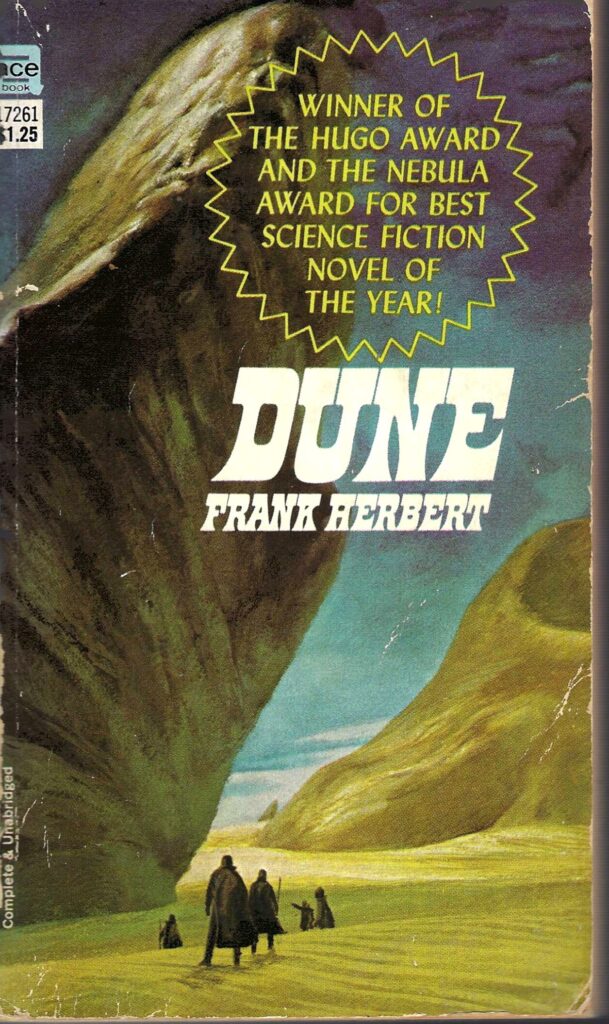
Frank Herbert (1920 – 1986), a Tacoma native, sold more science fiction books than any author in history. I became a fan after reading Dune while a college student. I don’t recall how many of his books I have read, but the list includes Dune Messiah, Children of Dune, God Emperor of Dune, and The White Plague. All the books, except the latter, are in paperback, leading me to the point of this story. The student newspaper article below explains why Herbert was on the CWU campus at my invitation. At the time, he lived in the Puget Sound area and drove to Ellensburg with his wife. Before his presentation, I had a few minutes to talk with Mr. Herbert at the student union building, and I asked if he would autograph my copy of Dune. He was sitting across a desk from me, and I noticed he glanced at his wife when I handed him my ($1.25) paperback copy. He graciously signed the book. It was not until years later that I realized how short-signed I was in asking an author of his statue to sign a paperback and why he glanced at his wife. I think he understood why a college student could not afford hardback books for recreational reading.

Stephen King

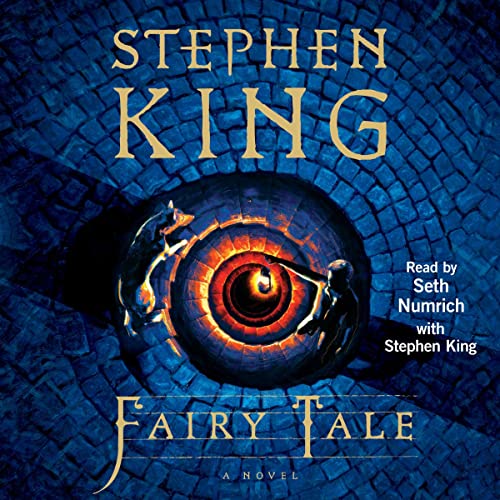
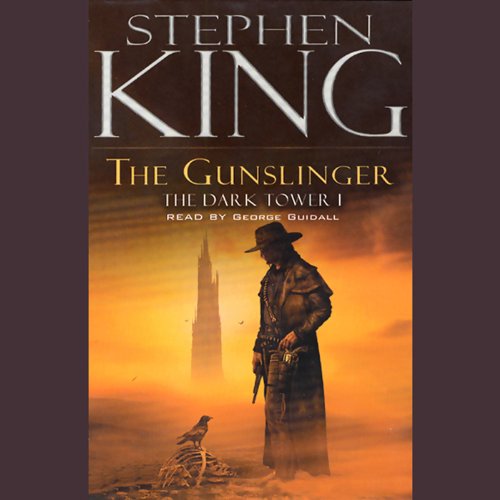
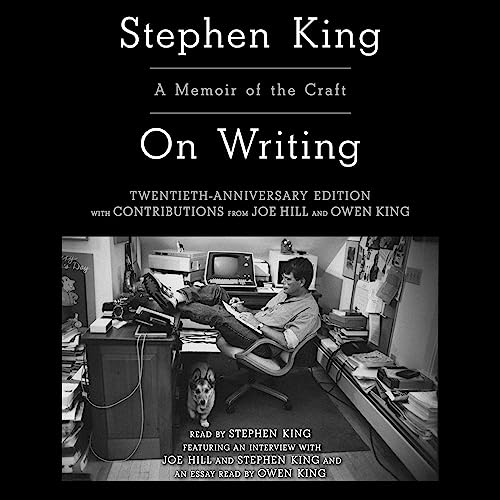
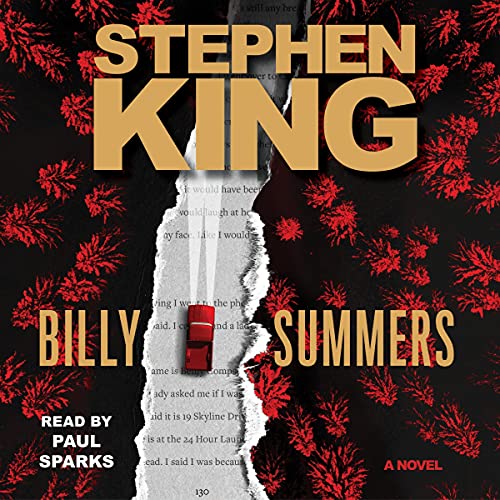
Stephen King is a prolific and talented author of over 65 novels. He is known as the “King of Horror,” a genre that is not my favorite. However, I do admire King’s writing skills, humor, and his politics. My first reading of King was The Dark Tower: The Gunslinger, which was enough for many years. When I got my first Kindle in 2009 from Amazon, I downloaded Ur, a King novella that was only available in digital format, which I enjoyed. More recently, I read Billy Summers and Fairy Tale, both of which were engaging. I also read On Writing, in which King tells us about what is involved in being a best-selling author. King also wrote under a pseudonym, Richard Bachman, for several years, announcing in 1985 that Kachman’s death was from “cancer of the pseudonym.”

Pat Conroy

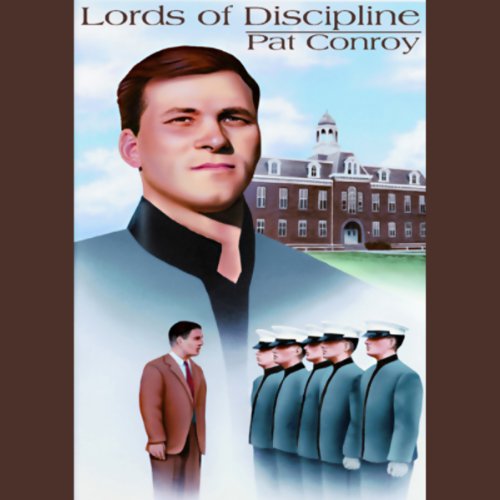
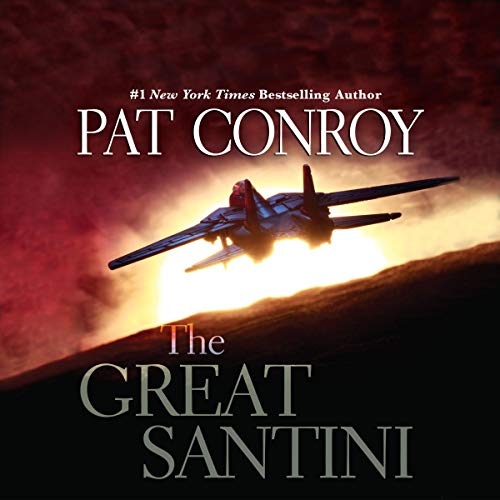
Reading a Donald Patrick Conroy novel is like watching an artist turn paint into forms and colors that grab your imagination. The first Conroy book I read, Lords of Discipline, drew me into the author’s world of military family life, violence, denial, discipline, loyalty, and sports. Conroy was the abused son of a U.S. Marine Corps fighter pilot who called himself The Great Santini, which became the title of his son’s 1976 novel. It also became a movie, as did many of Conroy’s novels. Conroy is recognized as a leading figure of late-20th Centry Southern literature. His writing caused family and other people to avoid and even sever ties with him, but Conroy persisted in speaking the truth on difficult topics such as military hazing, racism, and his own childhood pain. In an NYT interview, Conroy said, “The reason I write is to explain my life to myself . . . I’ve discovered that when I do, I’m explaining other people’s lives to them.”

Lords of Discipline By Pat Conroy
The Great Santini By Pat Conroy
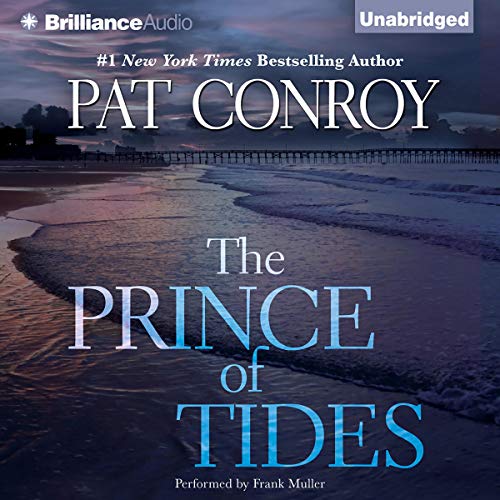
The Prince of Tides By Pat Conroy
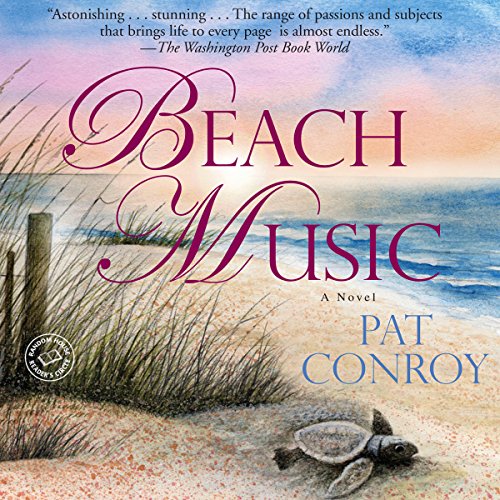
Beach Music By Pat Conroy
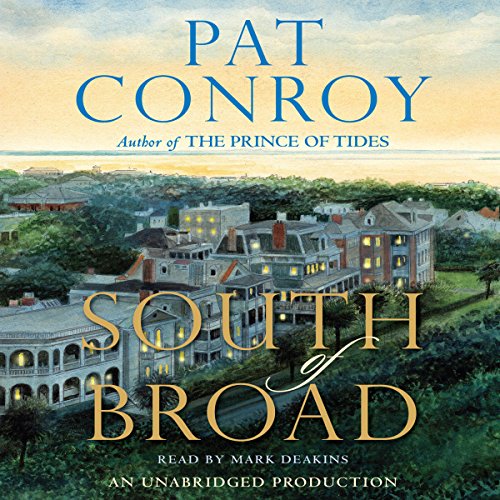
South of Broad By Pat Conroy
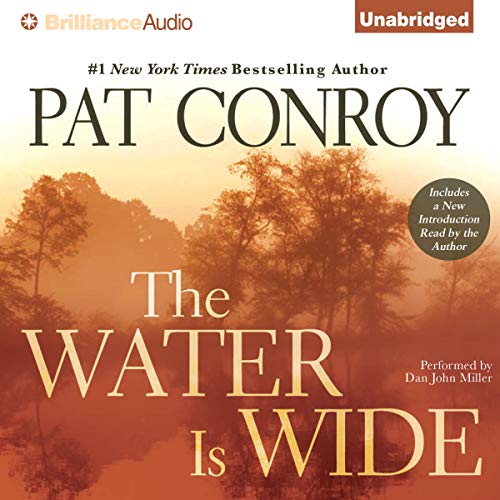
The Water Is Wide By Pat Conroy

The books shown above are only a sample of my reading of Pat Conroy. Other titles include My Losing Season and The Death of Santini.

I often read one of Conroy’s novels, cringing at one moment and then chuckling at the next paragraph. He wrote to express himself and make sense of his life. An example of his bitter-sweet writing is this compound sentence: “I never had anyone’s approval, so I’ve learned to live without it.”

John Grisham

For many years, I avoided John Grisham and his fellow writers of legal thrillers. The same was true about TV episodes based on courtroom scenes and legal dramas. As a practicing trial lawyer who handles both criminal and civil litigation, I did not see or appreciate the reality of my life compared to the entertainment in books, TV, or movies. At some point, I read about John Grisham’s real life as a practicing lawyer before and during his early writing career, so I gave The Testament (published in 1999) a chance, followed by The Pelican Brief (published in 1992). My misgivings about legal novels dissolve as I read the story of a soon-to-be deceased wealthy man with a broken relationship with his missionary daughter and the lawyer tasked with finding the woman on the mission field in Brazil. I have read almost every novel he has written, including the Theodore Boone legal thriller series written for young readers. Grisham has written a series of books based on other characters who are lawyers, including Jake Brigance and Mitch McDeere. His latest series is about Camino Island, and the lead character is a bookstore owner in Santa Rosa on the fictional Florida island of Camino, not to be confused with Camano Island in Washington State. Grisham’s descriptions of courtroom procedures, rules of evidence, legal strategies, and client behavior are much like my courtroom experiences.

A Few Novels By John Grisham

Ken Follett

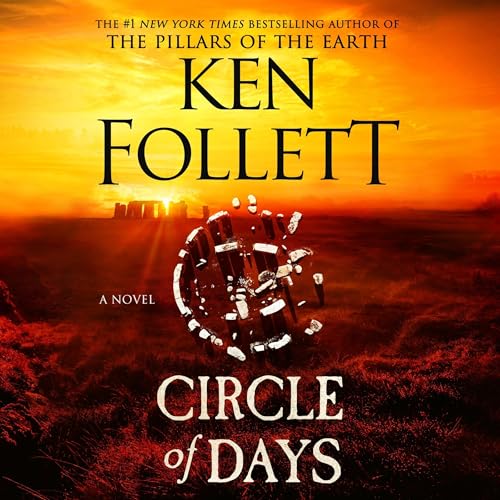
This author deserves a special place on any book list with a series. Kenneth Martin Follett is one of my favorite novelists, starting with Eye of the Needle, a spy thriller written in 1978 and made into a movie of the same name. After publishing many thrillers and historical novels, he created at least two series: Century Trilogy (2010 to 2014) and the five-book series Kingsbridge (1989 to 2023). The British author has sold more than 160 million copies of his works. The first character you meet in the Kingsbridge series is Tom Builder, a 12th-century Master Stonemason with a brilliant mind for his craft and is commissioned to build a cathedral in a small English village called Kingsbridge. You meet his family, the nobility that oppresses Tom and his family, and the church clerics as they struggle to survive in a feudal system of injustice, disease, and death. Those characters and their children continue in the book series for several centuries.

Kingsbridge series:

Century Trilogy:

Version 1.0.0