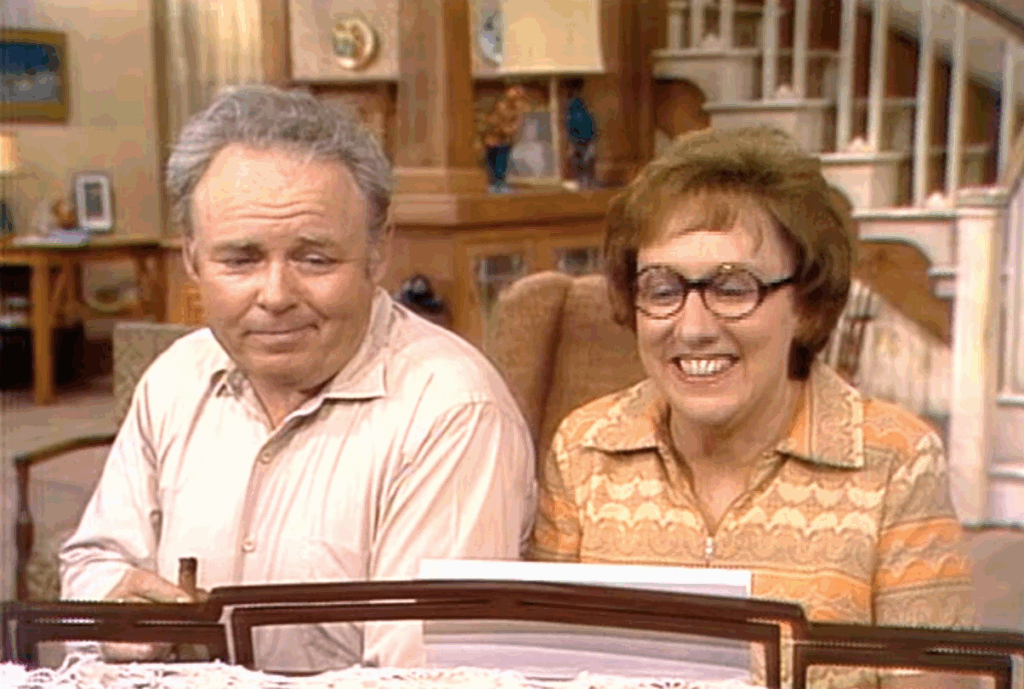
“Guys like us, we had it made. Those were the days!” The verse from Those Were The Days does not need to be explained, mainly because we watched the TV character Archie Bunker live out what it meant to be among the “guys like us who had it made.” The song is about having it made in America, where privilege is bestowed on those who are like Archie. You didn’t have to be an insensitive bigot to appreciate that Archie had a lifestyle in New York City that others who were not “guys like us” could not enjoy. A man like Archie could belong to the right clubs, fraternities, lodges, and churches or go to the right neighborhood bars to exercise his privilege.
The concept of “white privilege” has become a sensitive topic, especially among cultural conservatives, who see it as a woke ethic, an accusation of white supremacy by liberals. They feel that they are accused of having taken something they did not earn to use against non-white people. Some people see it as a way to make white people feel guilty for having a certain status or position.
One colleague who is a retired dentist says white privilege is “my life” when asked to describe the concept. Another says it is “a term used by the woke community,” which does not define what it means but how he sees it used.
White privilege is not something you can earn or take from another. It is not an option to take or not take. It is a part of our cultural system that gives me, as a white male, certain privileges and immunities that I continue to have, regardless of my intention or egalitarian philosophy. I do have the option to admit or deny that I am privileged. Let me put it in legal terms: You cannot give away or sell something you don’t own. I cannot give away my white privilege because I don’t own it. Knowing that I don’t own it does not liberate me from the responsibility to react when it is abused.
I use the term carefully and infrequently because it can be highly divisive. Think of replacing “white” with “black,” “Asian,” or “gay” privilege. Doing that creates an atmosphere of divisiveness, making it difficult for people to hear each other’s concerns.
Discover more from The Moser Files
Subscribe to get the latest posts sent to your email.