Why a post about Cesar Chavez after the stunning revelation concerning his abuse of women and girls? I never met the man, and never represented the United Farm Workers. My connection was as a legal intern representing farmworkers at the Granger Clinical Law Project in the Yakima Valley in 1975. We represented indigent people with legal problems in matters such as housing, traffic tickets, misdemeanors, employment, and minor disputes. You can read more about the Gonzaga Law School Clinical Law Program here. Many clients were Latino farmworkers. We were very aware of the United Farm Workers and the national leader, Cesar Chavez, who was rapidly becoming more than just a union leader to his people.
During the 1970s, the UFW held strikes, boycotts, marches, and protests to promote the farmworkers’ cause and remind the public of the lives farmworkers led to feed America. One such march was held in Sunnyside, Washington, and the law students at the Clinic were asked to join the march in support of the farmworkers and the Latino community we represented. This may have been a march in conjunction with the UFW’s famous 1000-Mile March across California in the summer of 1975, but I’m not sure. Hundreds of people marched peacefully down a main street of Sunnyside, which is about ten miles east of Granger and our Clinic. I was the only law student from the Yakima Valley at the Clinic, having graduated from Wapato High School in 1965. During the summers and early fall, I picked fruit in the orchards in the Wapato alongside migrant farmworkers. That is not to say I shared in the hardships those people suffered.
I had to decide whether to participate in the UFW march in Sunnyside, joining my classmates at the Clinic. To march with the union was not the same as marching with farmworkers who were mostly working in the fields while their supporters occupied the streets in the city. We were not being asked to picket at the entrance to farms and orchards where the UFW was trying to unionize farmworkers. The march was a largely symbolic effort by the legal interns to support the Latino community where we worked and served. I grew up attending school with the children of orchardists and farmers at Parker and Parker Heights Grade Schools, as well as the children of farmworkers and migrants. At Parker, there were many Native American children from the Yakima Tribe, who, for cultural and language reasons, were not involved or aligned with either the landowners or workers. And for similar reasons, I identified with the white children from families that owned or managed the local farms and orchards. I also had friends who were the children of farmworkers or former migrants.
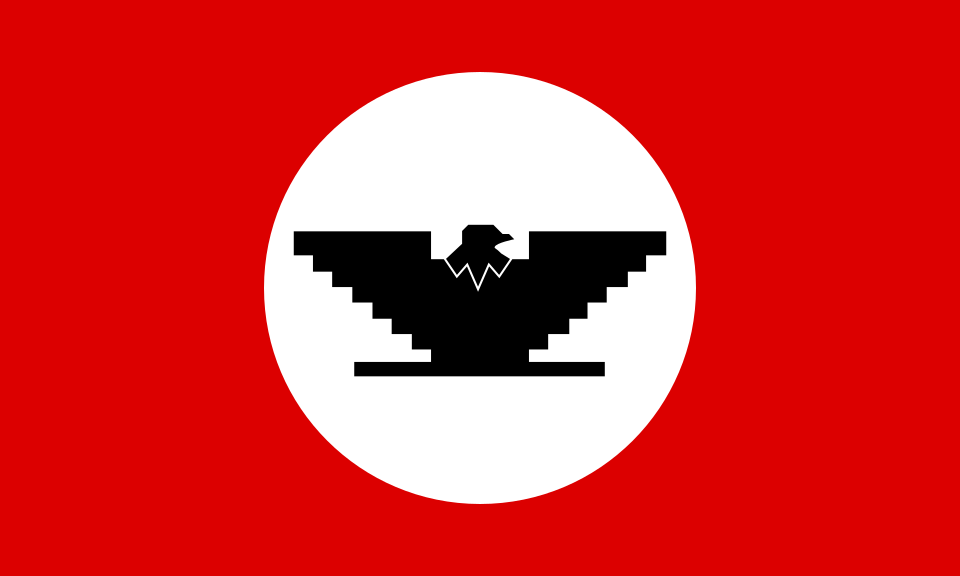
We marched peacefully following a distinctive UFW banner, as the police blocked off streets and people sang (in Spanish) songs known to the Latino community. There were no counter-protesters or antagonism as people along the streets went about their business.
Though Cesar Chavez was not present, his name was often invoked to lend credibility to the march, in anticipation that local media would give the demonstration publicity. Unfortunately, the man leaves a legacy that is now tarnished, despite the successful civil rights work he completed.
Discover more from The Moser Files
Subscribe to get the latest posts sent to your email.